Back to Library

Why We Started Home Learning

Yussi2026.01.10.Little 15 Mins
Why We Started Home Learning

When our youngest arrived in New Zealand in early February 2025, she had just turned four. Back in Korea, she had been a happy daycare kid — but the months of preparation and upheaval before our move had quietly shaken her sense of security. By the time we landed, she struggled to be apart from me.

We enrolled her in a local daycare from April while I was studying. Having Korean-speaking teachers helped, and she gradually found her footing — but she got sick constantly, and the toll it was taking on her, physically and emotionally, was hard to ignore.

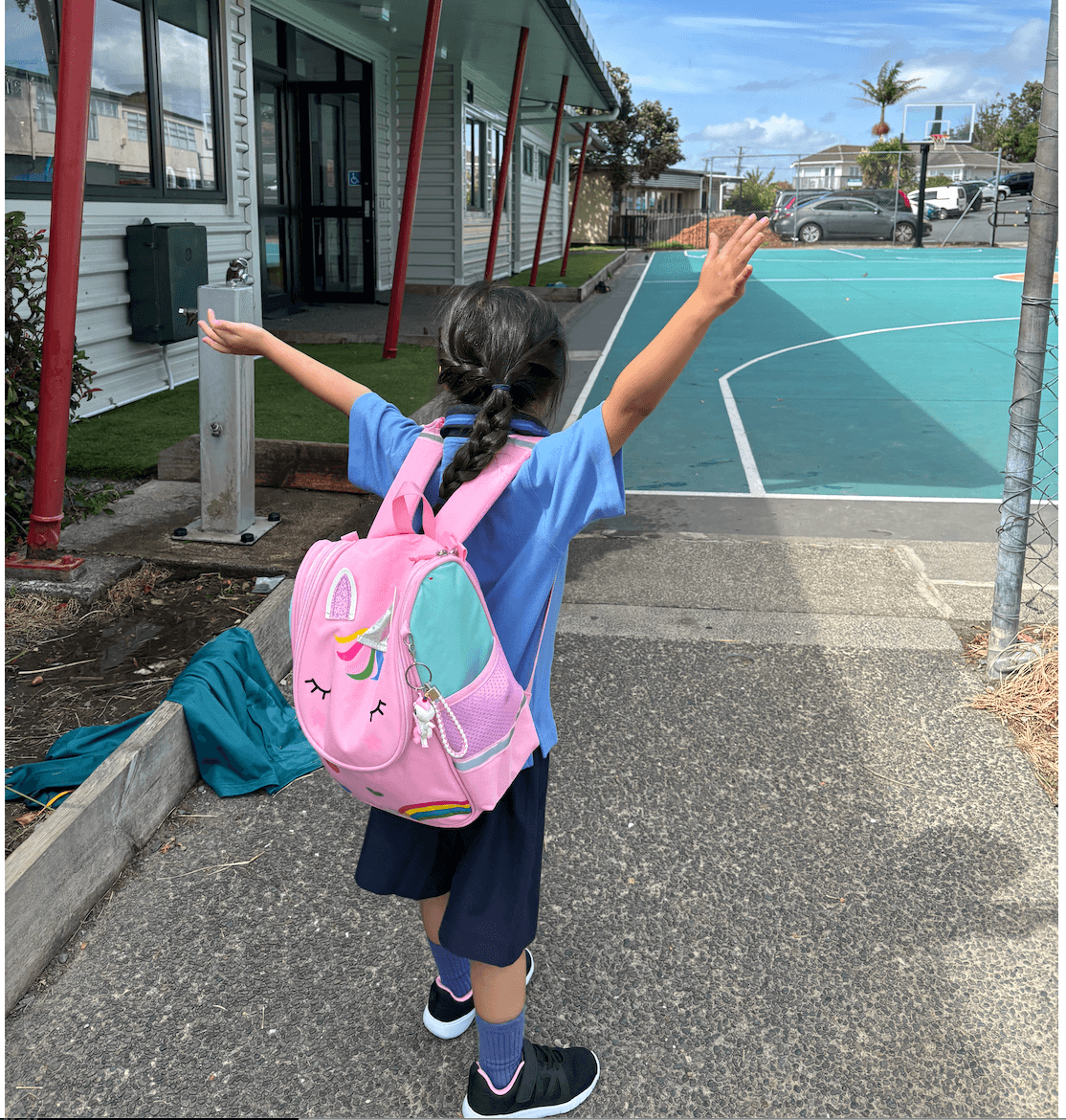
By October, when my first year of study ended, we brought her home. Part of it was her wellbeing — but part of it was something else entirely. School was just around the corner. Once she started Year 0, our slow mornings and unhurried afternoons would be gone. We wanted those last few months to just be ours.
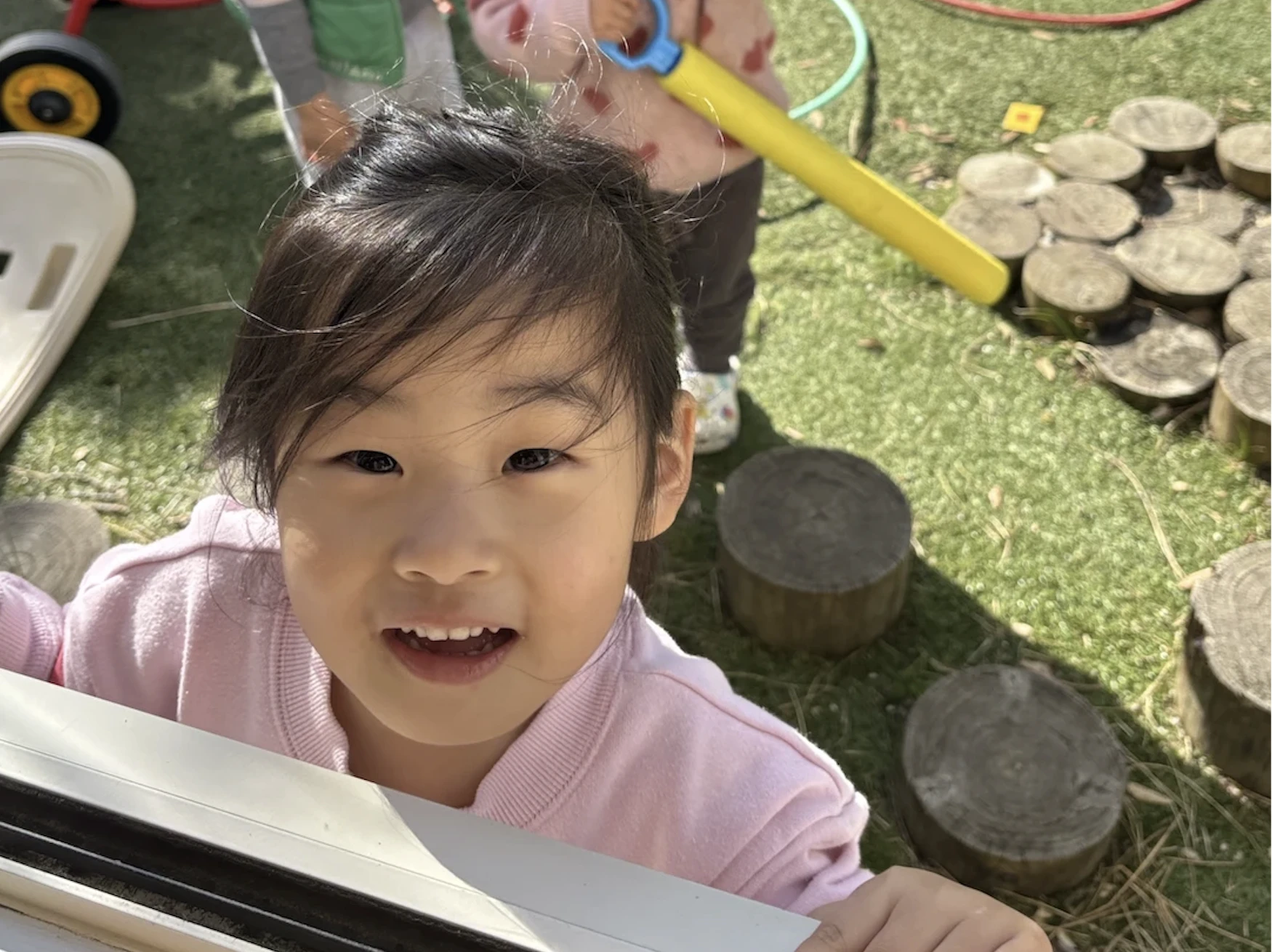
Her social life was full enough — older sisters, church friends, a warm personality that made friends wherever she went. What we hadn't figured out yet was how to help her get ready for an English-speaking classroom.

That question — and everything we tried to answer it — is where this story really begins.
MHJ SCHOOL GUIDE 2026
Starting School in NZ — A Parent Guide
From enrolment to ESOL — what actually happens, step by step.
Enrolment: Start mid-year the year before your child turns 5 — schools begin planning cohorts early. If you're in-zone, a place is guaranteed. Submit required documents (passport/birth certificate, proof of address, immunisation record), then the school takes over: they'll email you to book an intake consultation, schedule two class visits (short orientation sessions), and confirm the cohort start date. You don't need to chase — once enrolled, the school guides you through each step.
Year 0 or Year 1? Children can start school from their 5th birthday (compulsory by age 6). Schools may place children in Year 0 (new entrant) or Year 1 depending on their birthday and when they start — the goal is a comfortable transition, not a fixed rule. February birthdays often go straight into Year 1. Exact placement varies by school and cohort numbers — your intake consultation will clarify this.
Cohort entry: Many NZ schools no longer start children on their individual birthdays. Instead, new starters begin together in small groups at set points in the term — typically 8 dates across the year. Starting alongside a handful of other new children makes settling in much easier. How this is structured (group size, classroom setup) varies by school — some run entirely separate new-entrant classes; others integrate into existing rooms.
ESOL support: Parents don't apply — the school identifies and assigns. Eligibility is assessed by teachers during the first weeks. Once placed, the frequency and level of ESOL sessions are adjusted regularly as the child progresses; students move up through stages and can "graduate" out of the programme. ESOL funding runs for up to 3 years for migrant students. Schools with high migrant populations often run parent information sessions alongside ESOL — a practical introduction to NZ school life (yes, including what a "togs day" means).
✓ Documents to Prepare
Passport or birth certificate Proof of address Immunisation record
Visa / residency docs (if applicable) Ask about bilingual staff at intake
#immigrantfamily#settlinginnz#koreanfamilynz#earlychildhood#esol#preschoolenglish#northshorenz#primaryenrolment#schoolenrolment#year1#year0

Share this story

Continue Reading

You Might Also Like

Conversation

Comments (0)

Loading comments...

Newsletter

Stories from Mairangi Bay,
delivered weekly.

Essays on family life, the North Shore, and everything in between.
No spam. Unsubscribe anytime.