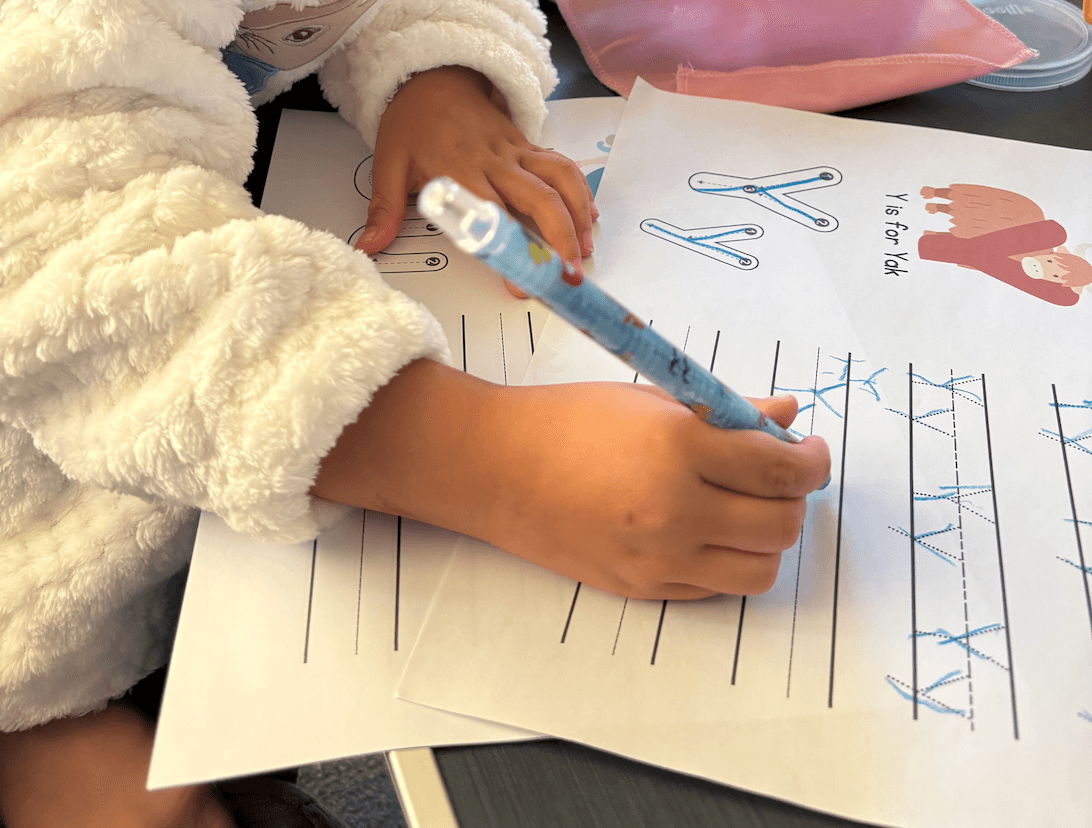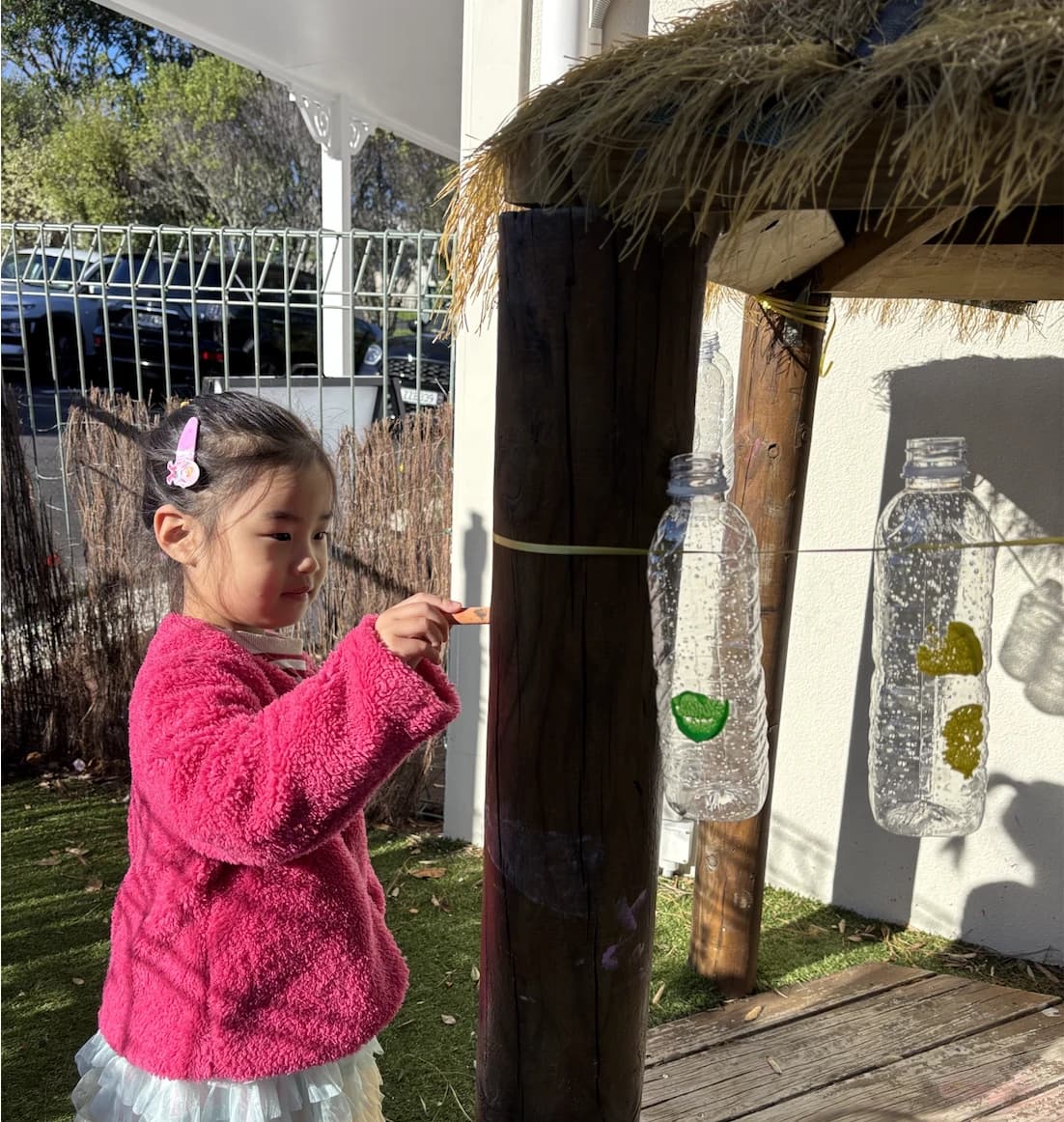
While English and mathematics have been taught consistently throughout primary years, science and social studies have been more fragmented—touching on topics like ANZAC Day or Waitangi Day as they come up. From intermediate school onward, learning becomes more systematic. Science is organized into physics and biology, while social studies branches into history, geography, civics, and economics—providing a foundational framework for expanding knowledge in these broader fields.
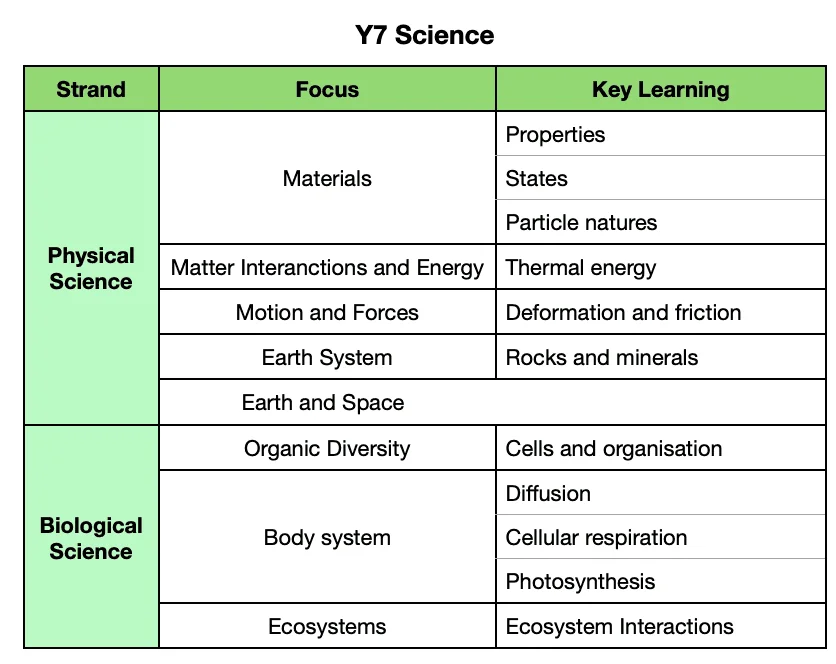
Year 7 Science explores the physical and biological world through hands-on investigation.
In science, physics covers fundamental concepts of matter, forces, and energy, alongside larger systems like Earth and space. Biology explores how living things function and interact within ecosystems. The curriculum emphasizes understanding how things work, encouraging students to draw evidence-based conclusions through various observations and experiments.
Year 7 Social Studies builds understanding of society through historical, geographical, and civic perspectives.
Social studies divides into New Zealand and international contexts. History begins domestically with the Treaty of Waitangi—New Zealand's most significant historical debate—and internationally with two revolutions that transformed human life. The focus is on causation, essential for understanding historical flow. Geography starts with foundational geology—rivers, glaciers, and environments—before moving to specific landforms or global relationships. Because these topics can feel distant from daily life, case studies ground the learning in reality. Civics and economics prepare students for adulthood in this country by teaching them how the world around them works. They learn about democracy and government, economic decisions, and New Zealand's economic landscape—building essential knowledge for living as active, informed citizens in modern society.
Intermediate-level science and social studies shouldn't be seen as in-depth, intensive study like what comes later in college. Instead, they serve as a gentle introduction to what lies ahead. Rather than focusing on detailed memorization, what matters most is building a clear mental framework of the content structure and developing a solid understanding of foundational concepts.